
"Blood is the color that mixes late September.
It tints the concrete of a late sunset mass."
In striking imagery, Robert Lashley's poem imagines a mysterious savior who offers healing to a broken urban neighborhood.
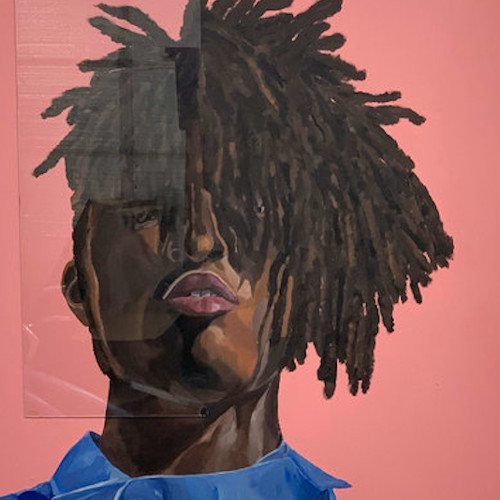
"Blood is the color that mixes late September.
It tints the concrete of a late sunset mass."
In striking imagery, Robert Lashley's poem imagines a mysterious savior who offers healing to a broken urban neighborhood.
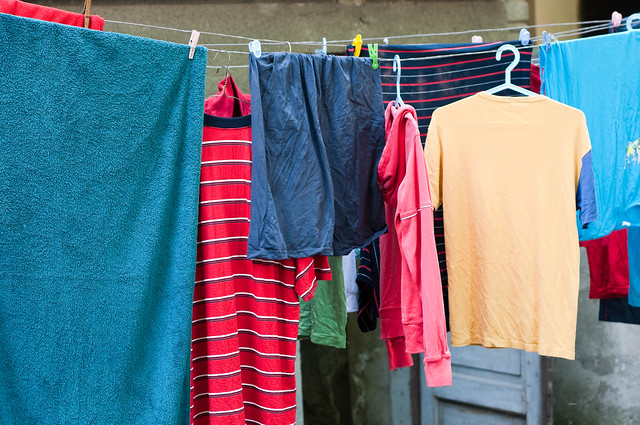
Wildfires grow in BC and OR, and is the region prepared for natural disasters? OR senator calls for new gun restrictions after weekend shootings, hang your laundry to fight climate change, what a New Green Deal for Seattle would mean, and fiction by Sherry Jones.
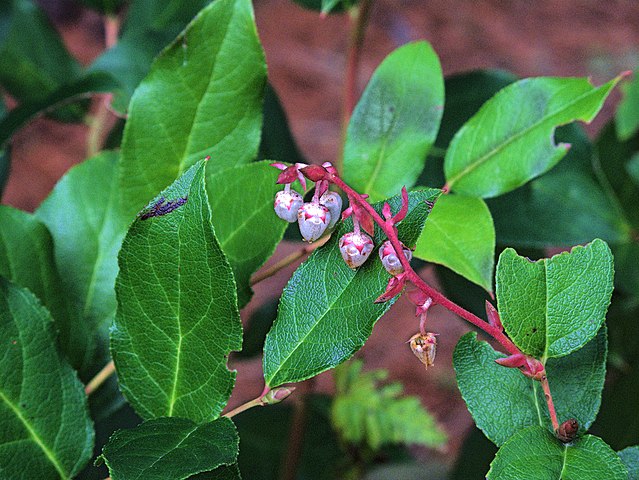
A hike with solitude near Mount Hood, FAA orders Boeing to fix software, homeless sleeping outside rising in Portland, tricky balance of creating a national park in BC, salal is threatened by climate change, a Cascadia electronic music festival, the future of the Seattle Art Fair, and more...
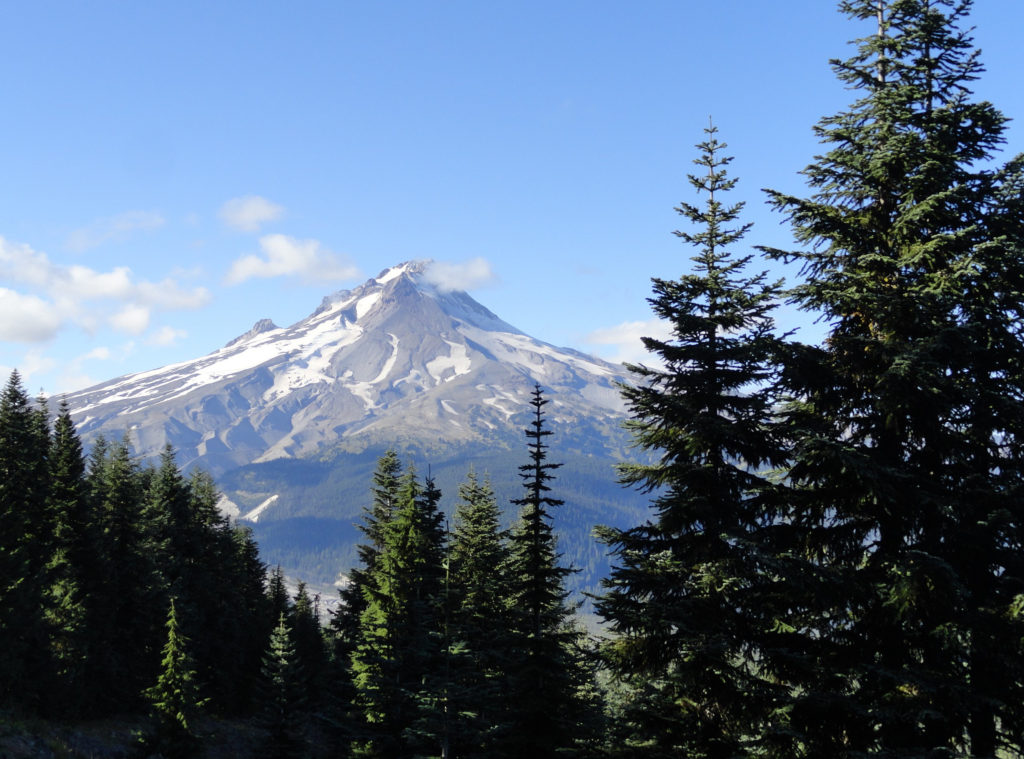
This short, less-visited trail in Oregon's Mount Hood Wilderness offers peek-a-boo views of the state's highest peak, as well as wildflowers and solitude.
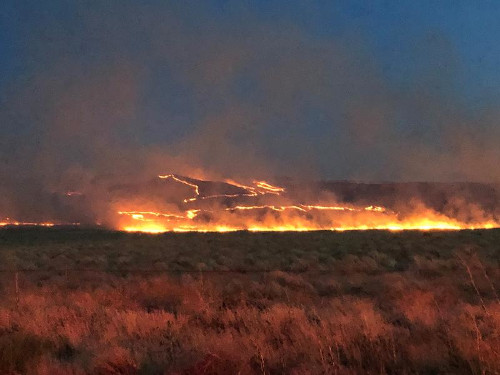
Vancouver builds housing, but it's still unaffordable, will Portland switch to district representation?, Montana Medicaid changes affect 26K, burning of Rattlesnake Mt. akin to Nortre Dame say tribes, Oregon's first Bigfoot museum & poetry by Morgan Fennya Jones
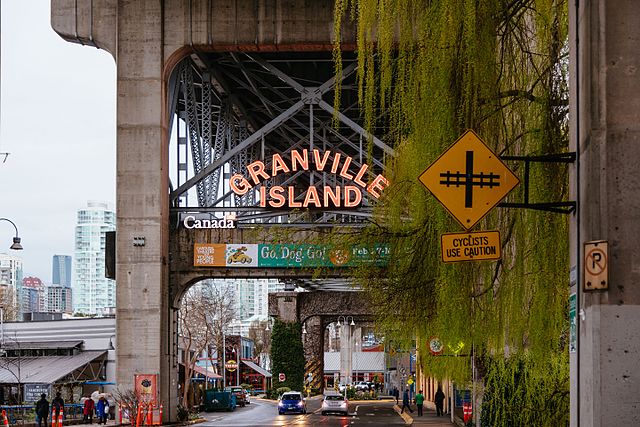
Clear-cut logging in BC's forgotten rainforest, threat's to Vancouver's Granville Island, invasive species arriving in Oregon on ocean plastic, vacating pot convictions in WA, trees slow to recover after BC wildfires, and fiction by Spokane author Sharma Shields.
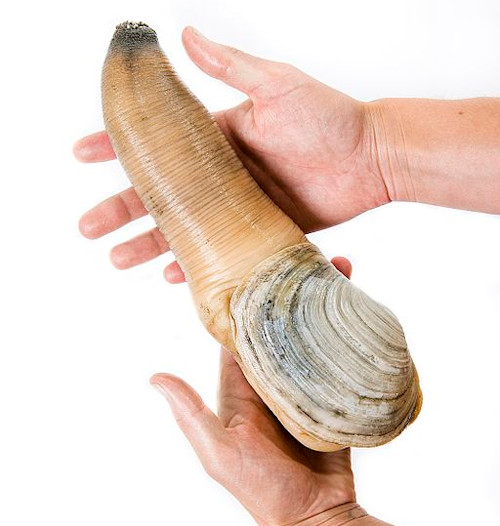
Mobile showers for homeless open in Salem, Oregon State University cuts down 400-year-old trees, First Nations on Vancouver Island have been eating geoducks for centuries, Charles Mudede on a murder of crows, and an essay on receiving a Nuu-chah-nulth name by Randy Fred.
SUBSCRIBE TO THE FREE NEWSLETTER
Thanks for reading Cascadia Daily, the Pacific Northwest’s tastiest selection of news, culture, and thought-provoking writing. Each weekday, we hand-pick an assortment of stories relevant to life in the Cascadia bioregion (encompassing Oregon, Washington, British Columbia, and parts of Idaho, southeast Alaska and northern California). Every day you’ll find a selection of links to news stories, essays, fiction, poetry, and art — spanning the wide diversity of cultures and people in Cascadia.
For more on just what the Cascadia bioregion is and why it’s important, you can read this brief essay at Casadia Magazine.
Cascadia Daily is dedicated to crossing borders. Not just state and national boundaries, but also bridging the gap between rural and urban, between the people who live east and west of the mountains. If you like the work we do, you can always send us a few bucks at our donate page. Thanks!
Poet Lorna Crozier has been a driving force in British Columbia poetry for decades. She’s received the prestigious Governor General’s Award for poetry, and published 17 books of verse. Cascadia Magazine is thrilled to publish three of Crozier’s poems: “Jellyfish,” “Thoreau Said a Walk Changes the Walker,” and “Wolves.”
The poems evoke the nearly-magical power that the natural world has to transform us, especially if we’re paying attention to the details.
“There are weeks in the forest
when your whole body is
a word even you can’t utter
but the trees, in their
deep listening,
hear.”
Read the full poems online at Cascadia Magazine here.
CTV reports that Washington’s Lummi Nation is seeking a meeting with Canada’s government over expansion of the Trans Mountain pipeline across BC, which would increase tanker traffic in the Salish Sea seven times over. The tribe says the expansion violates the UN Declaration on the Rights of Indigenous Peoples. In related news, the Seattle Times looks at WA governor Jay Inslee’s orca plan one year after Tahlequah’s vigil with her dead calf--and finds only 8 of 36 recommendations have been implemented. And the BC government designated protection for literally just 54 old-growth trees–a nice gesture but nothing compared to the 10,000 hectares of old growth cut on Vancouver Island each year.
Seattle mayor Jenny Durkan announced a new, $50 million plan to build affordable housing for the people most at-risk for homelessness, Crosscut reports. The plan is funded by a new program passed by the WA legislature this year. In related news, the Vancouver city council agreed to move forward on a city-wide plan that investigates solutions on affordability, homelessness, and climate policy, although Patrick Condon at the Tyee says the plan relies too much on market-based housing solutions.
OPB reports that in the wake of the bankruptcy of the The Bulletin, Bend, Oregon’s newspaper (and the only daily in central Oregon), there may be a local solution: EO Media Group, an Oregon company that owns the East Oregonian and Daily Astorian, will be bidding at auction for the paper.
Willamette Week reports on several Oregon-based companies owned by women that are making waves in the growing sex-toy market, including Bend-based Lora DiCarlo, which will be previewing the Osé device this fall, and Quasar, a Portland company that’s developing an anatomically customizable vibrator.
Powell’s Book Blog has a great interview with Portland-based author interviewer David Naimon, whose podcast Between the Covers has a loyal following and attracts big-name authors. He talks about his move from KBOO to Tin House (who now hosts the podcast) as well as his first riveting experience with a book: The Monster at the End of the Book featuring Grover from Sesame Street! “I love how supportive and interwoven the Portland literary scene is, how many opportunities there are to hear writers read or to study writing yourself.”
Over at the Malahat Review, you can read a fascinating interview with fiction writers Sasha Penn and Joanne Rixon about how they worked collaboratively on a story, “Cascades,” in the latest edition of the Malahat Review (you can buy a digital or print issue here). The project delves into everything from the Indigenous people who lived on the shore of Puget Sound near what is modern-day Tacoma to the police killing of Jacqueline Salyers in Tacoma in 2016.
That’s all the Cascadia news, arts, and culture in that’s fit to print in a tiny newsletter. Hope you enjoyed it, and we’ll see you tomorrow. –Andrew Engelson
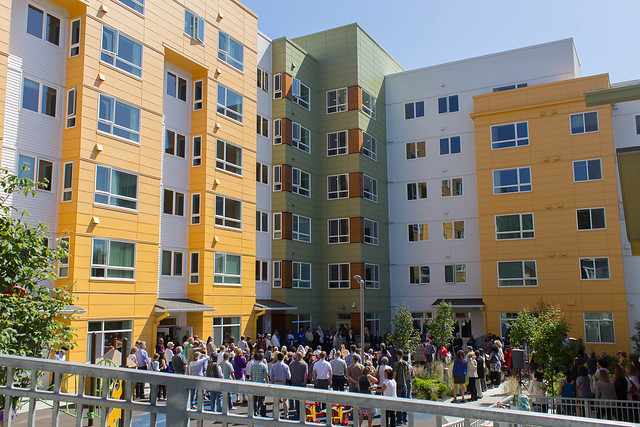
Photo credit: Yesler Terrace grand opening courtesy of Seattle City Council via Flickr (public domain)
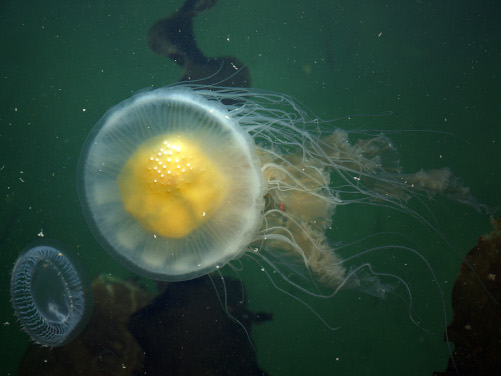
In these three poems by an award-winning BC poet and author of seventeen books, nature has a near-magical ability to transform and inspire wonder in those who pay close attention to it.
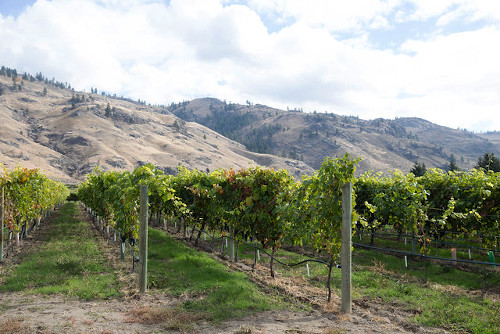
BC government has a $1.5 billion surplus, troubled start for a program for formerly incarcerated black women in Portland, where have all the mountain caribou gone?, an Indigenous-owned winery in BC's Okanagan Valley, and poetry by Alex Gallo-Brown.